How to Survive a Solo Wipe Day in Rust Without a Team
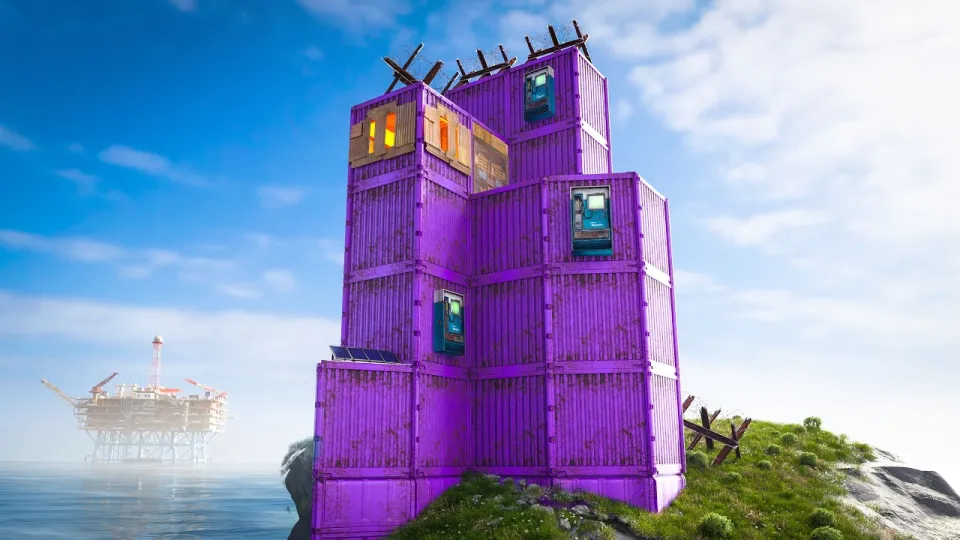
Video: A Solo's Will to Thrive V5 - Rust
Want articles like this for your own video to promote it on YouTube and Google? Order them through the Telegram bot @sat_sit_bot. Articles with your video embedded are written and posted by the bot itself — on popular topical sites (no ads). Try it free: 50 articles on us.
· based on the channel Oilrats
Surviving a solo wipe day in Rust means treating the first hours as a schedule rather than a scramble: get a 2x1 down, secure a tier-1 workbench, farm scrap on a low-traffic route, and only then push toward monuments. The formula shown in Oilrats' solo series is simple — small base, fast farm, patient timing, and a defense built around one doorway instead of open ground. If you want the same peripherals the channel uses, the Oilrats mousepad drop is linked straight from the video description.
What a solo wipe day actually demands from you
A solo wipe day is a logistics problem disguised as a shooter. Servers reset, every clan on the map spawns with the same rock and torch, and the groups that hit tier-2 first control the monuments for the next six hours. As a solo you cannot win that race on volume, so you win it on routing: fewer deaths, shorter walks, and no wasted scrap.
The practical targets for the first session are modest and measurable:
- A 2x1 with an airlock and a hidden loot room, placed within running distance of a recycler.
- A tier-1 workbench plus a furnace before the first night.
- A tier-2 workbench and a small stash of components by the end of day one.
- One gun you can actually shoot — a revolver or a custom SMG beats a rifle you cannot craft ammo for.
Everything else — the oil rig runs, the raid defenses, the highlight kills — grows out of those four items. Skip them and the wipe becomes a cycle of respawning on the beach.
Why the 2x1 bunker is still the solo standard
The 2x1 bunker remains the default solo base because it costs almost nothing and hides more than its footprint suggests. A two-by-one with a bunker pocket, a triangle airlock, and a sheet metal door gives you two layers between the outside and your loot for roughly the cost of a single stone 2x2. Clans scouting the map read it as a fresh-spawn shack and usually keep walking.
Build order matters more than the design:
- Place the foundation and the bunker pocket first, before any walls, so you never have to demolish.
- Upgrade to stone immediately; wood invites the first roaming duo with a flamethrower.
- Add the airlock with two doors facing opposite directions so a camper cannot watch both.
- Keep the loot room in the bunker pocket and never open it while someone is outside.
The trade-off is storage. A 2x1 forces you to recycle aggressively and to move high-value loot — explosives, rifle bodies, tech trash — into a stash or a second hidden base once you have it. Oilrats' runs lean on that discipline: nothing valuable sits in the room you actually live in.
Farm routes that do not get you killed
Farming as a solo is about picking nodes nobody is watching, not about finding the richest ones. Roads and snow biome nodes are contested because they are obvious; the wooded edges between monuments, the back side of a mining outpost, and the shoreline barrels are where solos actually finish their scrap goals.
A workable route for the first two hours:
- Start on the beach and shoreline for barrels and low-tier crates, then move inland along a line rather than circling.
- Hit one recycler only after you have a full inventory, and approach it from the tree line, not the road.
- Bank scrap at 500–700 rather than carrying it — a tier-1 bench and a research table come before any weapon.
- Use a boat for coastal runs; water is the fastest solo travel and the least watched.
Sound is the real currency here. Every node you hit makes noise, so farm in short bursts, listen between swings, and never mine with your back to an open field. A solo who dies with 800 scrap has effectively farmed for whoever killed them.
Timing the Large Oilrig as a solo
Large Oilrig is the best solo loot source on the map and the fastest way to lose a full kit. The card rooms, the elite crates, and the heavy scientists give a solo access to military-grade loot without a clan, but the monument is also a magnet for groups running the same route.
The timing rules that make it survivable:
- Go when the server is loud — during a raid, a cargo ship, or a clan fight — not when it is quiet.
- Bring a boat you can leave running, and park it on the far side of the rig from the usual approach.
- Clear the scientists methodically with a cheap gun and headshots; do not burn your good ammo on heavies.
- Take the card puzzles in one pass and leave the moment you hear a second boat.
Oilrats' rig runs in the series follow that pattern: arrive late, loot fast, and treat the exit as the dangerous part. The diving transition shots in the edit exist because the water is where solos actually escape — a swimmer with a boat is harder to track than a player running a road.
Defending a small base against a group
A base defense against a clan is won by geometry, not by aim. Six attackers with two M2s and a dedicated rocket PvPer can delete a 2x1 in under a minute, so the solo's job is to make the doorway the only place the fight happens and to make every peek cost them something.
How to set that up before the raid arrives:
- Keep one door as the only entry and place a second, fake door elsewhere to bait rockets into nothing.
- Store a spare kit, a gun, and ammo in a stash outside the base so a death is not a wipe.
- Pre-build a shooting position — a window, a roof angle, or a nearby rock — that overlooks your own door.
- Hold fire until they commit to the door, then punish the reload and reposition immediately.
Rocket PvP inside a raid is a tell. A group that spends rockets on a solo's doorway is usually uncoordinated, and their rocket player is exposed while switching weapons. Short peeks, sound cues, and forcing them to walk into the same choke point repeatedly is how one player beats six — the same story the channel's raid defense clips keep telling.
Common questions from solo players
Most doubts around solo Rust come down to the same handful of decisions, and the community reaction to the series reflects them. Viewers consistently wonder how a single player survives a six-man push, whether the edited pace reflects real play, and how much of the outcome is preparation versus luck.
The honest answers: preparation decides the first ten minutes of a fight and luck decides the rest; editing compresses hours of farming and hiding into minutes, but the base layout and the stash are real; and a solo who keeps a spare kit and a second spawn point will always outlast a solo who does not. The other recurring theme is gear — a mousepad or a mouse will not fix positioning, but consistent peripherals do remove one variable from a fight you are already losing.
Useful links
- Oilrats mousepad drop
- https://www.twitch.tv/oilrats
- https://www.tiktok.com/@oilrats
- https://discord.gg/hrvWH8r9bS
- https://twitter.com/OilratsRust
Final takeaway
Solo Rust is not a disadvantaged version of group play — it is a different discipline built on small bases, disciplined farming, and timing monuments when the server is distracted. The 2x1 bunker, the shoreline farm route, the late oil rig run, and the choke-point defense are the four habits that turn a wipe day into a wipe week. Oilrats' solo series is a useful study because it shows those habits repeated under pressure rather than explained in a vacuum. If you want to support the channel and upgrade your setup at the same time, grab the Oilrats mousepad from the official drop.
Key takeaways
- Oilrats opens every solo run with a 2x1 bunker base — the cheapest footprint that still hides loot from a raid.
- Wipe day solo play is a race: the first 60–90 minutes decide whether you get a tier-2 workbench or spend the night naked.
- Large Oilrig is the mid-wipe goal, but it must be timed when clans are busy raiding, not farming.
- A 1v6 defense works when the attackers are forced into a choke point instead of the open door.
- Rocket PvP during a solo raid is a sign the raiders are uncoordinated — punish it with short peeks and sound cues.
Questions & answers
How does a solo player survive a six-man raid in Rust?
By controlling where the fight happens. A small base with one real entry point forces attackers into a choke, and a pre-built shooting position outside the door lets the defender punish reloads and rocket swaps. Keeping a spare kit stashed away from the base means one death does not end the wipe.
Is the 2x1 bunker still worth building?
Yes, mainly because of cost and camouflage. It hides loot behind a bunker pocket for roughly the price of a stone 2x2, and most groups ignore it while scouting. The limitation is storage, so high-value items should be moved to a stash or a second hidden base.
When is the best time to run Large Oilrig alone?
When the server is busy elsewhere — during a raid, a cargo ship event, or a clan fight. Arrive by boat from an unusual angle, clear scientists with a cheap gun, run the card puzzles in one pass, and leave as soon as another boat appears.
How much of a solo highlight video is edited?
Heavily. Hours of farming, hiding, and failed attempts are cut down to the fights and loot runs, so the pace looks constant when it is not. The base layouts, stash discipline, and timing decisions shown are genuine, which is what makes the footage useful as a guide.
Source: A Solo's Will to Thrive V5 - Rust · Markdown version